



“Traumatic experiences live on in somatic memory and can lead to shifts in the biological stress response. Damage to the stimulus filtering system results in difficulties distinguishing between relevant and irrelevant stimuli that can overwhelm a person’s coping mechanisms. This creates a breakdown in the homeostatic self regulating systems, and can result in nervous system dysregulation…
A dysregulated nervous system can cause neuronal changes, changes to the HPA axis, and hormonal level alterations, contributing to stress response, arousal regulation, and immune system functioning… foregrounding the significance of finding ways to release trauma stored in the body. The body keeps the score.”
The Body as Narrative System
Every symptom carries meaning. Each pain signal, each flare up, each wave of fatigue or muscular bracing is a physiological expression of nervous system activity. Symptoms are not random malfunctions but adaptive outputs of a highly intelligent biological system responding to lived experience.
The human organism communicates through sensation before it communicates through language. When experience overwhelms cognitive processing, it is encoded within subcortical structures, autonomic reflexes and fascial tension patterns. Chronic discomfort therefore reflects dysregulated neurodynamics rather than isolated structural fault.
Tantrictranquilityis grounded in this premise. It recognises that symptoms are embodied narratives emerging from unresolved autonomic activation and implicit memory. Rather than silencing symptoms, this framework seeks to decode and integrate the biological story they represent.
Trauma, Somatic Memory, and The Nervous System
Traumatic experiences are encoded not only in conscious memory but within subcortical circuits, neuromuscular patterns, autonomic reflexes, and fascial networks. Emotionally salient events activate the amygdala and limbic system, reinforcing implicit memory traces that exist outside conscious awareness (LeDoux, 2000).
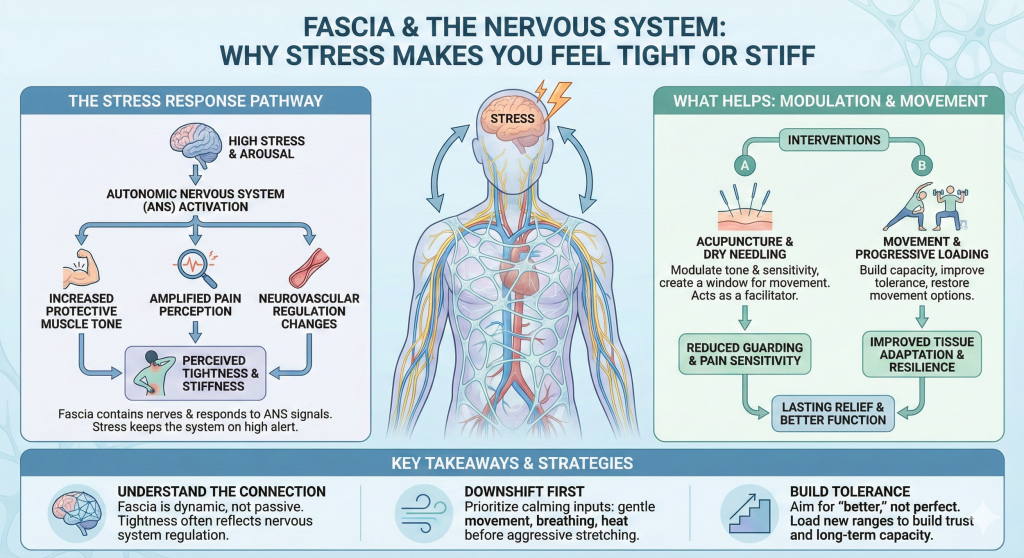
When the nervous system experiences threat, sympathetic mobilisation occurs: heart rate increases, muscles tense, glucose is released, and cortisol and adrenaline surge. If the stressor cannot be processed or resolved, this state becomes chronic. Persistent sympathetic or dorsal vagal activation alters hypothalamic pituitary adrenal (HPA) axis functioning, hormonal rhythms, immune response, and neural connectivity (McEwen, 2007; Shin et al., 2006).
Chronic activation disrupts stimulus filtering, making it difficult to distinguish between relevant and irrelevant sensory input. This contributes to heightened arousal, fatigue, chronic pain, and other somatic complaints. These symptoms, when viewed through psychodynamics, somatic awareness, and neurodynamics, are not mere dysfunction—they are the body’s language of unresolved emotional experience.
Psychodynamics and the Unconscious Body
From a psychodynamic perspective, unprocessed emotional material manifests as muscular rigidity, autonomic dysregulation, and defensive postures. Defensive strategies develop to protect against overwhelming affect. Emotional suppression is associated with heightened sympathetic activation, inflammation, and chronic pain syndromes (Gross & Levenson, 1997).
Attachment theory further illuminates these dynamics. Early relational environments shape autonomic regulation. Secure attachment promotes autonomic flexibility and ventral vagal tone, while insecure attachment patterns often result in chronic sympathetic overactivation or dorsal vagal shutdown (Schore, 2001).
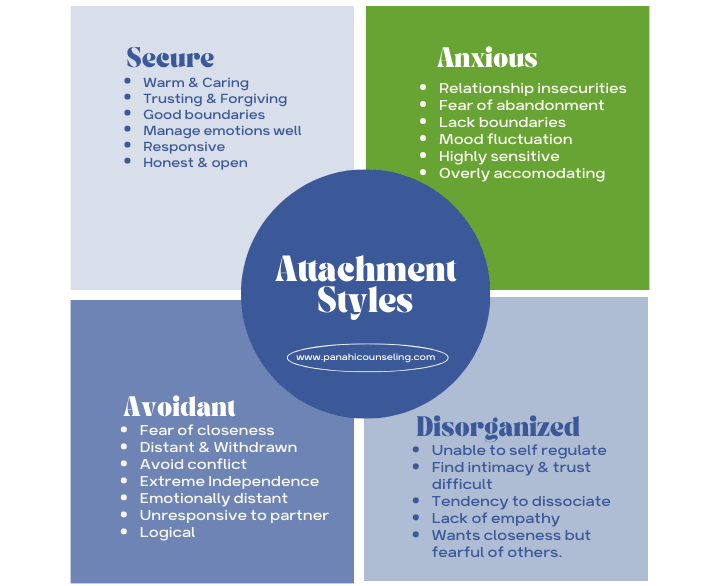
Symptoms are, therefore, “unconscious speech” through the body. Chronic tension, fatigue, or anxiety reflects defensive strategies embedded within neural, muscular, and fascial systems. Healing requires attention not just to conscious cognition but to these implicit, embodied memories.
Neurodynamics and Polyvagal Principles
The nervous system is dynamic and highly plastic. Polyvagal theory explains state-dependent autonomic regulation: the ventral vagal complex supports safety and social engagement, the sympathetic system drives mobilisation, and the dorsal vagal pathway mediates shutdown (Porges, 2011).
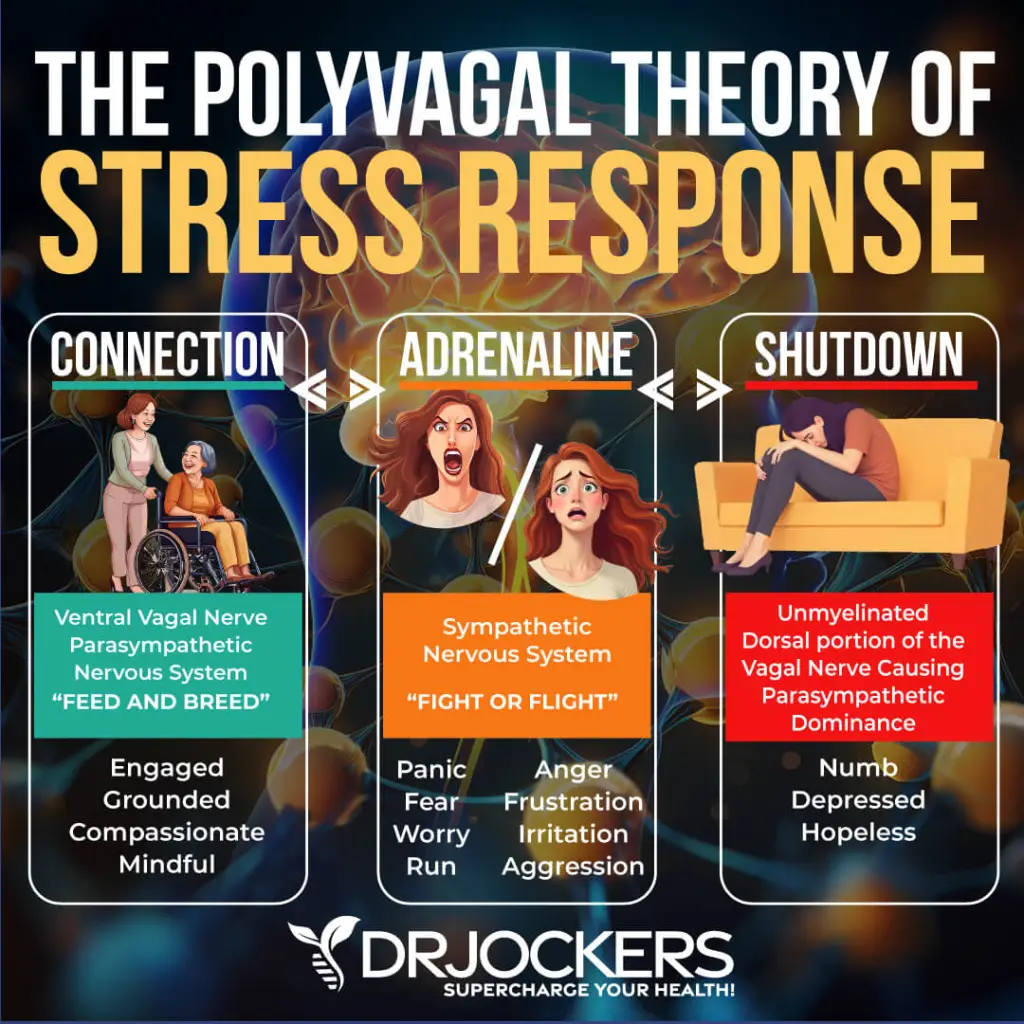
Chronic stress or trauma biases the nervous system towards hyperarousal or dissociation. Low heart rate variability reflects diminished regulatory capacity and correlates with anxiety, inflammation, and other stress-related disorders (Thayer & Lane, 2000).
Tantrictranquility integrates these neurodynamic principles by enhancing ventral vagal regulation through breath work, vocal resonance, orienting responses, and relational attunement. This prepares the nervous system to safely access previously inaccessible implicit material, enabling trauma and somatic activation to be processed without overwhelm. Paired with regulated exposure, neural circuits are gradually rewired through neuroplasticity and memory reconsolidation mechanisms (Ecker et al., 2012).
Working with Neuroplasticity and Bioplasticity
Healing requires engaging both the brain and body to bring fragmented narratives into coherent integration. Neuroplasticity refers to the brain’s ability to rewire neural circuits in response to experience, while bioplasticity acknowledges the body’s capacity to reorganise neuromuscular, fascial, and autonomic systems in tandem with cognitive and emotional processing.
Chronic stress or trauma biases the nervous system towards hyperarousal or dissociation. Low heart rate variability reflects diminished regulatory capacity and correlates with anxiety, inflammation, and other stress-related disorders (Thayer & Lane, 2000).
Tantrictranquility integrates these neurodynamic principles by enhancing ventral vagal regulation through breath work, vocal resonance, orienting responses, and relational attunement. This prepares the nervous system to safely access previously inaccessible implicit material, enabling trauma and somatic activation to be processed without overwhelm. Paired with regulated exposure, neural circuits are gradually rewired through neuroplasticity and memory reconsolidation mechanisms (Ecker et al., 2012).
Working with Neuroplasticity and Bioplasticity
Healing requires engaging both the brain and body to bring fragmented narratives into coherent integration. Neuroplasticity refers to the brain’s ability to rewire neural circuits in response to experience, while bioplasticity acknowledges the body’s capacity to reorganise neuromuscular, fascial, and autonomic systems in tandem with cognitive and emotional processing.
In practice, this means that Tantrictranquility® works with both mind and body narratives simultaneously. Somatic activation, fascial release, and neuromuscular recalibration provide bottom-up input to the brain, while psychodynamic reflection, interoceptive awareness, and guided cognitive engagement provide top-down processing. By synchronising these pathways, fragmented or dissociated memories—both physical and emotional—can be integrated into a unified narrative.

Working with Mind-Body Coherence
This approach allows previously inaccessible material stored in implicit memory to be consciously recognised, processed, and reconciled. Symptoms such as chronic pain, anxiety, or tension are no longer seen as isolated disturbances but as meaningful signals that can be reorganised into coherent, adaptive patterns. Neuroplastic and bioplastic interventions thus create a system-wide coherence, where body and mind function as one harmonised network.
Somatic Awareness & Whole Body Metrics
Healing is maximised when attention is given to the full psychometric system—the integrated network of bodily awareness that includes interoception (internal sensations), proprioception (sense of position and movement), exteroception (external sensory input), and neuroception (the nervous system’s unconscious detection of safety or threat). These modalities provide multiple avenues for the nervous system to access and process somatic material safely.
- Interoception allows the nervous system to detect subtle visceral or muscular shifts, supporting emotional regulation and homeostatic integration (Craig, 2009).
- Proprioception helps the system recognise posture, tension patterns, and movement habits, offering opportunities to release habitual defensive strategies.
- Exteroception anchors awareness in the environment through touch, sight, and sound, maintaining safety while accessing deeper internal material.
- Neuroception, a concept from polyvagal theory, refers to the unconscious detection of cues of safety, danger, or life threat. It guides autonomic responses even before conscious awareness, shaping the body’s readiness to mobilise, freeze, or connect (Porges, 2011).
Tantrictranquility engages all four channels during sessions. Clients are guided to notice internal sensations, track posture and movement, remain aware of the external environment, and attune to their neuroceptive signals. This holistic approach allows access to the full spectrum of bodily narratives that the individual is capable of processing, ensuring that activation remains manageable, adaptive, and integrative.
Manual Somatic Engagement and The Neuromuscular System
A core feature of Tantrictranquility is direct engagement with the neuromuscular system, including all cranial and peripheral nerves, in synchrony with the autonomic nervous system. Fascia, muscles, and connective tissues are tightly interwoven with neuromuscular and autonomic circuits (Schleip et al., 2012). Chronic tension, restricted movement, or guarded postures often reflect dysregulated neural patterns maintained by unresolved emotional material.
This therapist author listing currently not available
