




Devotion in Tantra isn’t about blind belief. It’s about opening the heart so fully that the ego relaxes its grip.
Many Tantric traditions are interwoven with devotional streams within Hinduism, especially the path known as Bhakti Yoga — the yoga of love and surrender.
But here’s the nuance:
In Tantra, devotion is not about shrinking yourself before a distant God.
It’s about recognizing the divine within everything — including your own body.

What Is Bhakti in a Tantric Context?
Bhakti means devotion, love, and heartfelt connection to the sacred.
In Tantra, devotion can be directed toward:
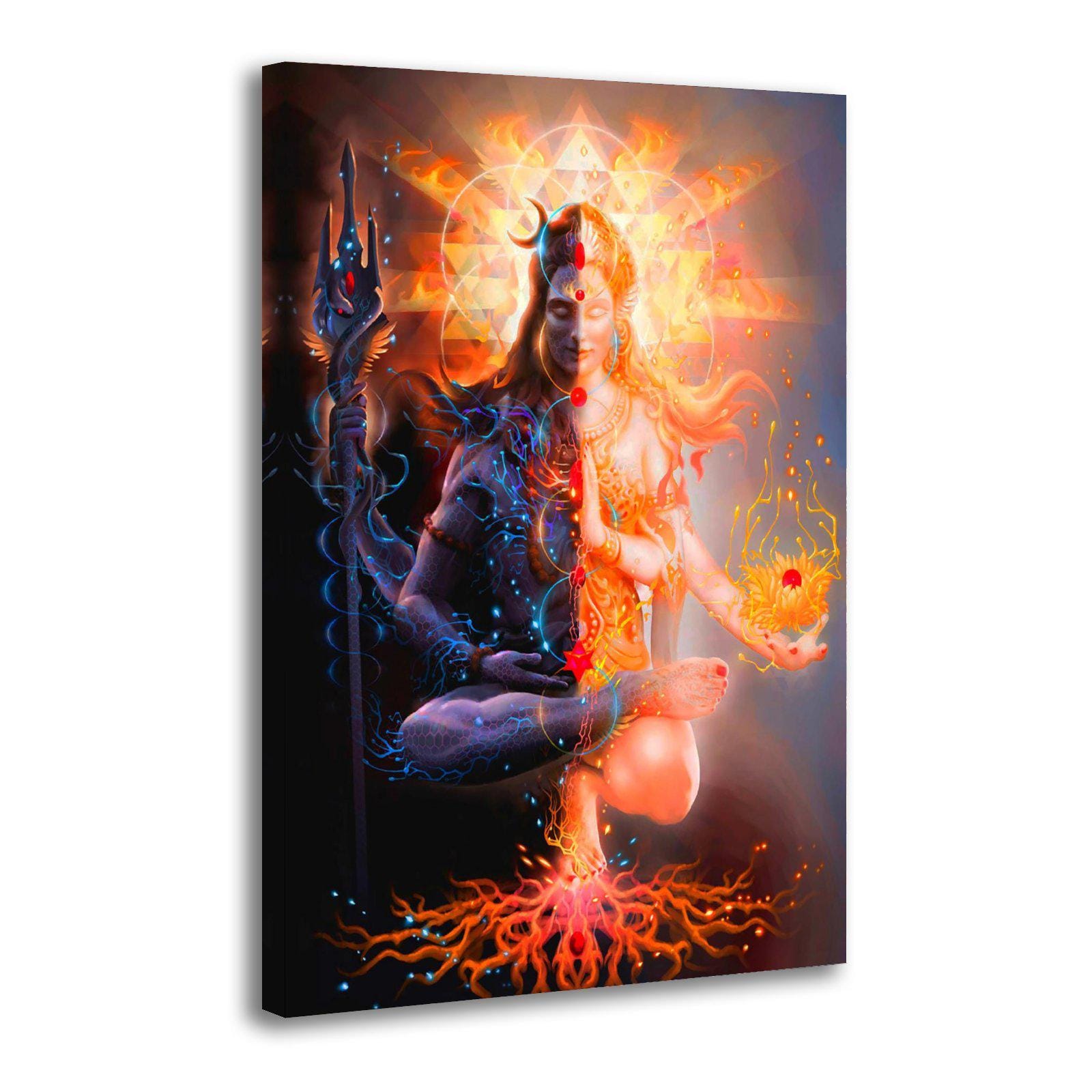
- A deity (like Shiva or Shakti)
- A teacher
- A partner
- Nature
- Consciousness itself
- The present moment
The object of devotion matters less than the state of openness it creates.
Devotion melts resistance.

Why Devotion Is Powerful in Tantra
Tantra works with energy.
Energy flows best when the heart is open.
Devotion:
- Softens mental overcontrol
- Releases emotional armor
- Dissolves spiritual pride
- Creates humility without shame
When devotion arises, the nervous system shifts from defense to trust.
And trust allows energy to expand.
Devotion vs. Attachment
This is important.
Devotion is not:
- Dependency
- Idolization
- Loss of boundaries
- Self-erasure
Healthy Tantric devotion maintains:
- Personal sovereignty
- Clear consent
- Emotional maturity
It’s not about collapsing into someone.
It’s about choosing to open.
Big difference.

Devotion in Relationship
In intimate partnership, devotion means:
- Seeing your partner as sacred
- Touching with reverence
- Listening with presence
- Valuing their inner world
Imagine looking at someone not as a role (boyfriend, wife, etc.), but as a living expression of consciousness.
That shift alone transforms intimacy.
Devotion turns ordinary touch into ritual.
Ritual as an Expression of Devotion
4
Tantric devotional rituals may include:
- Lighting a candle
- Offering flowers
- Chanting mantras
- Creating a small altar
- Expressing gratitude aloud
In many traditions within Hinduism, ritual (puja) is a way of honoring the divine through symbolic acts.
But you don’t need a temple.
You can:
- Offer gratitude before meals
- Touch your heart before sleep
- Whisper thanks to your body
Devotion is intention, not performance.
The Neuroscience of Devotion
Here’s something fascinating.
Practices of gratitude, prayer, and chanting can:
- Activate parasympathetic relaxation
- Reduce stress responses
- Increase feelings of connection
- Strengthen emotional resilience
Devotion isn’t just spiritual — it’s regulatory.
When you surrender consciously, the body feels safe.
And a safe body opens.
Devotion to Self
This might be the most radical part.
What if you approached your own body with devotion?
Instead of:
- Criticizing it
- Ignoring it
- Forcing it
You honored it.
Tantra teaches that your body is not an obstacle to awakening.
It is the doorway.
Try this practice today:
Place your hand on your heart.
Close your eyes.
Whisper: “Thank you for carrying me.”
Stay there for 2 minutes.
Notice what softens.
Devotion and Ego Dissolution
In many Tantric texts, devotion is described as a shortcut.
Why?
Because when love becomes larger than self-image, the ego relaxes.
You stop trying to:
- Impress
- Control
- Perform spirituality
You simply feel.
And in that feeling, awareness expands naturally.
Living Devotion Daily
You don’t need incense and Sanskrit to live devotion.
You can practice devotion when:
- You cook with care
- You speak gently
- You breathe consciously
- You forgive slowly
- You show up fully
Devotion is attention infused with love.
That’s it.
Simple.
Profound.
This therapist author listing currently not available
)